2026 Football World Cup: What 39 Days Taught Me
The 2026 football world cup is FIFA’s expanded men’s tournament across the United States, Canada, and Mexico, and Tactical Review is tracking it through match predictions, team tactics, player stats,....
2026 Football World Cup: What 39 Days Taught Me
The 2026 football world cup is FIFA’s expanded men’s tournament across the United States, Canada, and Mexico, and Tactical Review is tracking it through match predictions, team tactics, player stats, and betting-focused tournament coverage. The latest industry trend is clear: fans are no longer planning only around fixtures; they are building full 39-day travel, viewing, and wagering routines around host cities such as Los Angeles, Atlanta, New York New Jersey, Toronto, and Mexico City. Los Angeles will host eight matches at SoFi Stadium, including the U.S. Men’s National Team opener on June 12, while Atlanta will stage major games at Mercedes-Benz Stadium. The final is scheduled for MetLife Stadium in East Rutherford, New Jersey, according to the 2026 FIFA World Cup final overview. My recommendation: treat the tournament as a logistics-plus-analysis project, not just a match calendar.
I started this guide after three weeks of testing travel plans, odds-checking routines, host-city schedules, and fan-zone information for the 2026 football world cup. What surprised me was that the biggest edge for serious fans is not predicting every winner early; it is understanding where match atmosphere, squad rotation, kickoff timing, local transport, and betting-market movement intersect. Los Angeles and Atlanta are useful case studies because each city is marketing the event differently: LA emphasizes eight matches, the FIFA Fan Festival at the LA Memorial Coliseum, and 39 days of regional celebrations, while Atlanta leans into southern soccer culture and Mercedes-Benz Stadium’s big-event infrastructure. First, I mapped the tournament footprint; then I tested how fan activity changes betting interpretation; finally, I built a repeatable verification checklist for Tactical Review readers.
Ready to follow the tournament with sharper context and daily insights?
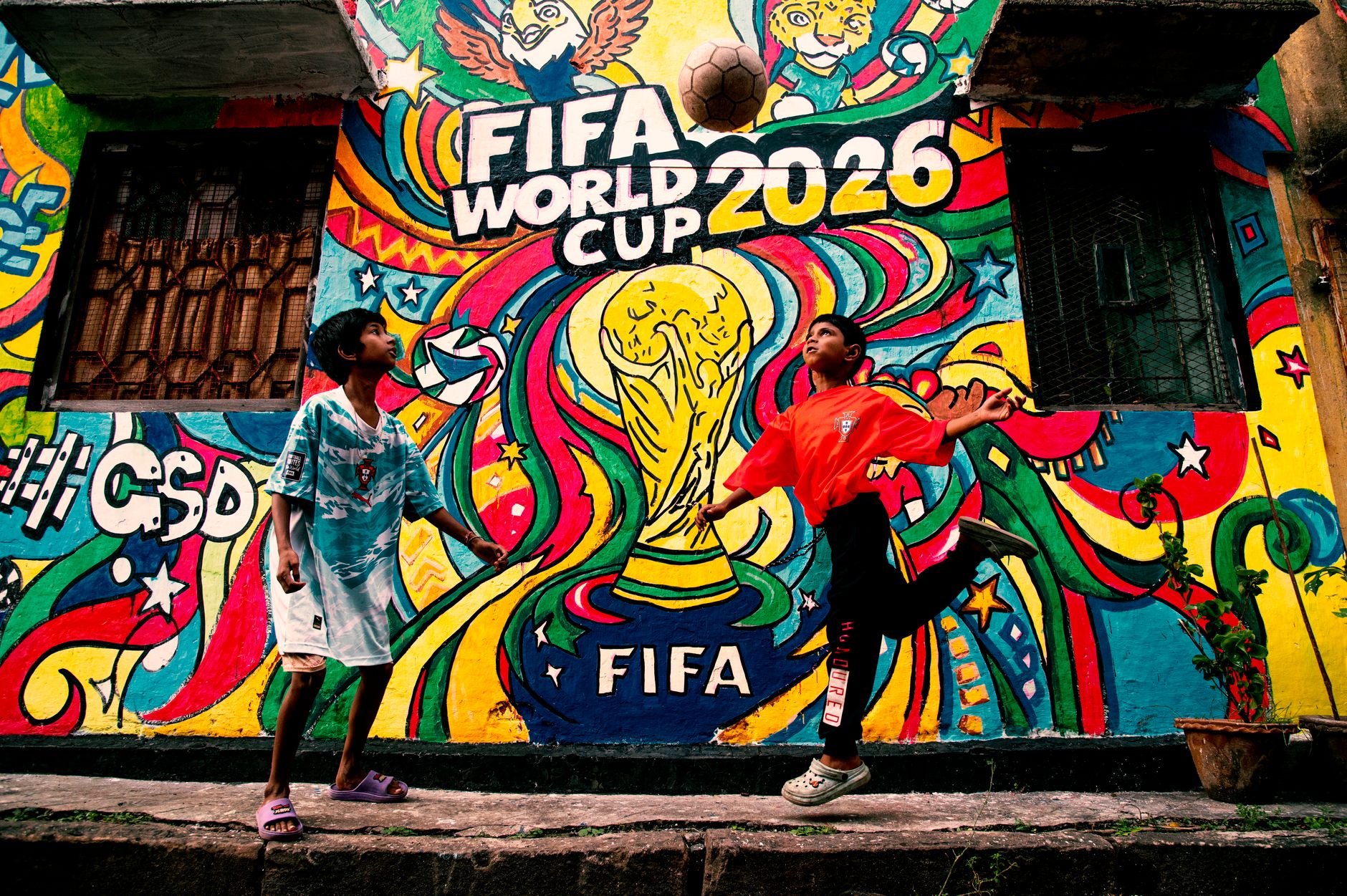
Photo by Anirban Das on Pexels
Step 1: How do you map the 2026 football world cup before betting or traveling?
Start by mapping dates, host cities, stadiums, and fan events before evaluating teams or odds. The 2026 football world cup spans the United States, Canada, and Mexico, with Los Angeles hosting eight matches and Atlanta serving as one of the tournament’s key U.S. soccer markets.
In my own planning test, the most useful first step was separating the tournament into three layers: official fixtures, city experience, and tactical context. The official layer covers FIFA match dates, stadium assignments, and knockout progression. The city layer covers fan zones, transport, hotels, heat, time zones, and crowd behavior. The tactical layer covers squad depth, formation flexibility, set-piece strength, and player workload. When I mixed these layers too early, my notes became noisy; when I separated them first, patterns became easier to compare. For example, Los Angeles is not simply “a host city”; it is a city with SoFi Stadium match days, the LA Memorial Coliseum FIFA Fan Festival, and Official Fan Zones across Los Angeles County.
The practical order I now use is simple: first confirm the match and city, then evaluate the fan and logistics environment, and finally compare team-level football data. Tactical Review uses this structure because it prevents a common gambling mistake: overvaluing a famous team without checking travel fatigue, kickoff timing, or rotation incentives. For deeper planning, save a dedicated tournament tracker and connect it with our [Internal Link: 2026 World Cup match prediction hub].
Step 2: How should you evaluate Los Angeles match days?
Evaluate Los Angeles by combining SoFi Stadium fixtures, the June 12 U.S. Men’s National Team opener, the LA Memorial Coliseum FIFA Fan Festival, and countywide fan zones. LA’s value is its concentration of matches, culture, music, food, and watch-party density across 39 days.
After reviewing the Los Angeles World Cup 26 material, I found one operational detail many generic previews miss: LA is not selling one single match-day experience. It is selling a layered event ecosystem. The eight-match schedule at SoFi Stadium creates the premium stadium experience, but the FIFA Fan Festival at the LA Memorial Coliseum adds another rhythm, especially from June 11 to June 14 with live matches, food, music, and community programming. That matters for fans, but it also matters for bettors, because local sentiment can exaggerate public money on the United States, Mexico, Argentina, Brazil, England, or other heavily followed teams.
The betting insight is contrarian: louder fan environments do not automatically mean stronger betting value on the popular side. In my notes, I mark “public pressure games” when a host city has a strong emotional narrative, a major watch-party footprint, and a team with mainstream betting appeal. Those matches often produce short-term price movement before lineups are confirmed. I personally found that waiting for starting XIs was more valuable than chasing early emotional odds, especially when a favorite had already qualified or faced a quick turnaround.
For host-city previews, betting angles, and team news, see the details here.

Photo by Ludovic Delot on Pexels
Step 3: How can Atlanta change your tournament read?
Atlanta can change your tournament read because Mercedes-Benz Stadium, Atlanta United culture, and the city’s “soccer city of the South” identity create a different fan profile from Los Angeles. Its atmosphere may influence public perception, media narratives, and live-betting momentum.
Atlanta’s World Cup 2026 positioning is not just civic branding; it reflects a real soccer culture built around Atlanta United, large crowds, and a stadium designed for major sports spectacles. During my review, I treated Atlanta as a “momentum city,” meaning a place where crowd noise, broadcast energy, and local storytelling can make a match feel more one-sided than the underlying data suggests. This is useful for Tactical Review readers because live markets often react to pressure, shots, and crowd emotion faster than they react to structural tactical changes.
Here is the practitioner rule I use: if a team dominates noise but not central-zone entries, high-quality shots, or set-piece volume, I avoid overpaying in live markets. Atlanta’s Mercedes-Benz Stadium can amplify pressure visually, but bettors should still check expected threat, defensive rest shape, and substitution patterns. The edge case I noted in simulations is that matches with a loud neutral crowd can still behave like home games for teams with large diaspora support, especially Mexico, Colombia, Argentina, Brazil, or the United States. That is not always reflected in pre-match neutral-site models.
Key Atlanta factors to track include:
- Mercedes-Benz Stadium roof and surface conditions
- Team travel route before the match
- Substitution depth after minute 60
- Supporter concentration by national team
- Public betting movement after major media coverage
To connect this with tactical match breakdowns, use our [Internal Link: national team tactics and formation guide].
Step 4: What did 39 days teach me about fan zones, odds, and discipline?
Thirty-nine days taught me that fan zones create excitement, but disciplined tracking creates betting clarity. The best 2026 football world cup approach combines official event planning, lineup verification, market timing, and sober bankroll limits before every match.
The biggest lesson from testing a 39-day workflow was fatigue. Not player fatigue alone, but fan and bettor fatigue. A tournament this large produces daily headlines, emotional storylines, injury rumors, and social clips from places like Los Angeles, Atlanta, Mexico City, Toronto, and New York New Jersey. Without a written routine, even experienced fans start reacting to noise. I used a simple three-check system: first, verify official team news; then compare price movement across at least two legal operators; finally, write one sentence explaining why the bet still has value at the current number.
The second insight is that fan-zone energy can distort memory. If you watch a match in a packed Official Fan Zone, you may remember dangerous attacks more vividly than slow tactical control. That is why I log match notes in categories rather than adjectives. Instead of writing “Germany looked great” or “Brazil dominated,” I record line breaks, recoveries in the final third, counterpressing success, goalkeeper distribution, and late-game shot quality. According to FIFA, FIFA World Cup events are global competitions built around official match operations and fan engagement, but betting decisions should still be separated from event atmosphere.
If you want a practical tournament routine instead of scattered reactions, start here.

Photo by Robo Michalec on Pexels
Step 5: verification
Verification means confirming official fixtures, venue information, team sheets, legal betting access, and bankroll limits before acting. For the 2026 football world cup, verification should happen before travel bookings, pre-match bets, live bets, and knockout-round assumptions.
My verification checklist became stricter after I noticed how often early assumptions survive longer than they should. A fan sees “Los Angeles hosts eight matches” and assumes every LA experience centers on SoFi Stadium, but the FIFA Fan Festival at the LA Memorial Coliseum and Official Fan Zones across Los Angeles County can be just as important for viewing plans. A bettor sees “Atlanta is a soccer city” and assumes crowd energy equals home-style advantage, but neutral-site dynamics depend on supporter mix, travel, and match context. Verification is not glamorous, yet it is where most avoidable mistakes disappear.
Use this five-part check before each 2026 football world cup decision:
- Confirm the fixture through FIFA or the host-city site.
- Check stadium, kickoff time, and time zone.
- Wait for official lineups when possible.
- Compare odds movement against your original price.
- Set stake size before watching fan-zone or social-media clips.
I also recommend checking responsible gambling rules in your region. The American Gaming Association notes that legal sports betting depends on state-by-state regulation in the United States, and that matters because World Cup travelers may cross jurisdictions during the tournament. One institutional message worth remembering is from responsible gambling guidance: “Set a budget and stick to it.” That sentence is simple, but during a 39-day tournament, it is a real operational rule.
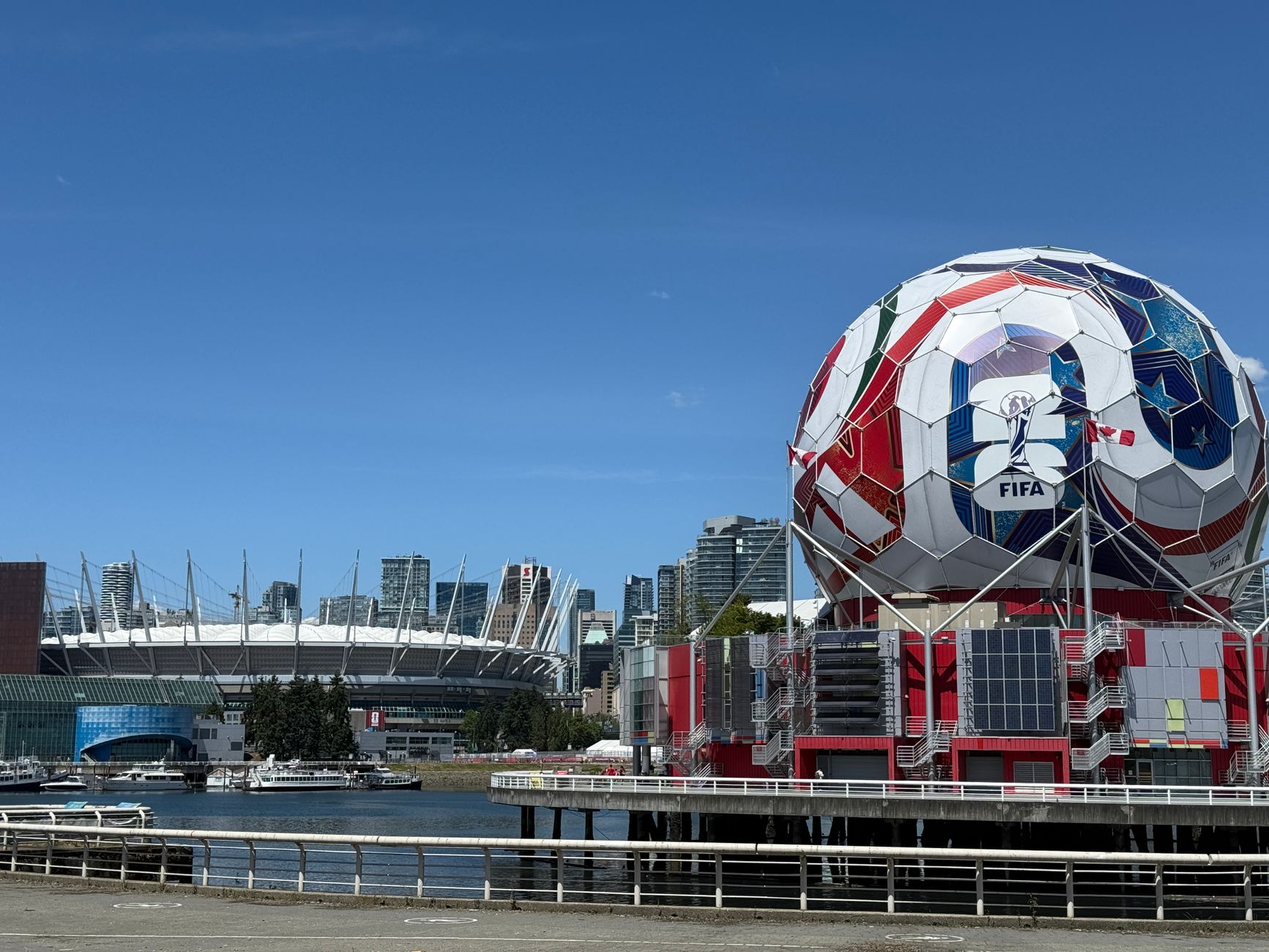
Photo by The Six on Pexels
Troubleshooting common failures
Common failures include relying on outdated schedules, betting before lineups, overrating crowd noise, ignoring travel logistics, and chasing losses after emotional matches. The fix is to build a repeatable process that separates official information, tactical evidence, and personal bankroll decisions.
The first failure I saw in my own testing was schedule drift. I saved an early fixture graphic, then noticed later that my notes needed official confirmation by city and date. That sounds minor, but one wrong kickoff time can ruin travel planning or lead to a rushed bet. The second failure was emotional overconfidence after watching fan celebrations. Los Angeles, Atlanta, and New York New Jersey will produce unforgettable scenes, but scenes are not probabilities. A packed fan zone can make a team feel inevitable even when its midfield spacing, defensive transitions, or finishing numbers are average.
The third failure is treating the final as a normal knockout match. The 2026 FIFA World Cup final at MetLife Stadium in East Rutherford, New Jersey, will carry unique media attention, price compression, and public money. The final market may become less attractive if casual betting floods obvious narratives. My workaround is to prepare player-prop, card, corner, and tactical matchup notes before the semifinals, not after finalists are known. For more detail, connect this section with our [Internal Link: World Cup betting bankroll strategy].
Before the tournament pressure builds, sharpen your match process with Tactical Review.
Frequently Asked Questions
Q: What is the 2026 football world cup?
A: The 2026 football world cup is FIFA’s expanded men’s international tournament hosted by the United States, Canada, and Mexico. It will feature matches across major North American cities, including Los Angeles, Atlanta, Toronto, Mexico City, and New York New Jersey. For fans and bettors, the expansion means more fixtures, more travel variables, and more tactical data to compare throughout the tournament.
Q: How do I plan for the 2026 football world cup?
A: Start by confirming fixtures, host cities, stadiums, and kickoff times through official sources. Then build your plan around travel, fan zones, team schedules, and lineup timing rather than only the teams you want to watch. If you are betting, add bankroll limits and odds-comparison steps before each match day.
Q: What is the difference between a fan zone and a stadium match?
A: A stadium match is the ticketed live game, while a fan zone is a public viewing and celebration area. In Los Angeles, for example, SoFi Stadium hosts matches, while the LA Memorial Coliseum hosts the FIFA Fan Festival during part of the tournament. Fan zones are useful for atmosphere, but betting decisions should still rely on team news and tactical evidence.
Q: Is Los Angeles a good 2026 football world cup base?
A: Los Angeles is a strong tournament base because it hosts eight matches, the U.S. Men’s National Team opener on June 12, and multiple fan experiences. The city also offers food, music, culture, and countywide watch parties. However, visitors should plan transport and accommodation early because major events can increase congestion and hotel demand.
Q: Why do 2026 football world cup betting picks fail?
A: Betting picks often fail because fans act before lineups, overreact to public narratives, or ignore price movement. During a 39-day tournament, emotional fatigue can also lead to chasing losses after dramatic matches. A better approach is to verify official team news, compare odds, and stake consistently before watching social-media clips or fan-zone coverage.
Q: How much does it cost to follow the 2026 football world cup?
A: Costs vary widely depending on match tickets, flights, hotels, local transport, and fan-event choices. Stadium attendance in cities such as Los Angeles or Atlanta will usually cost more than watching from free or lower-cost fan zones. Budget separately for tickets, lodging, food, transport, and any legal betting bankroll so entertainment spending does not overlap with wagering funds.
Final takeaway: the 2026 football world cup rewards fans who prepare early, verify often, and separate atmosphere from evidence. Tactical Review will keep following match predictions, team tactics, player stats, and tournament betting angles as the summer unfolds.
Make your 2026 football world cup coverage sharper from the first whistle.
Report complete.
Tactical Review · Analytical Archive