Why 48 Teams Reshape 2026 World Cup
FIFA World Cup 2026 is the first men’s tournament with 48 national teams, and Tactical Review tracks how that expansion changes match predictions, team tactics, player stats, and regulated betting cov...
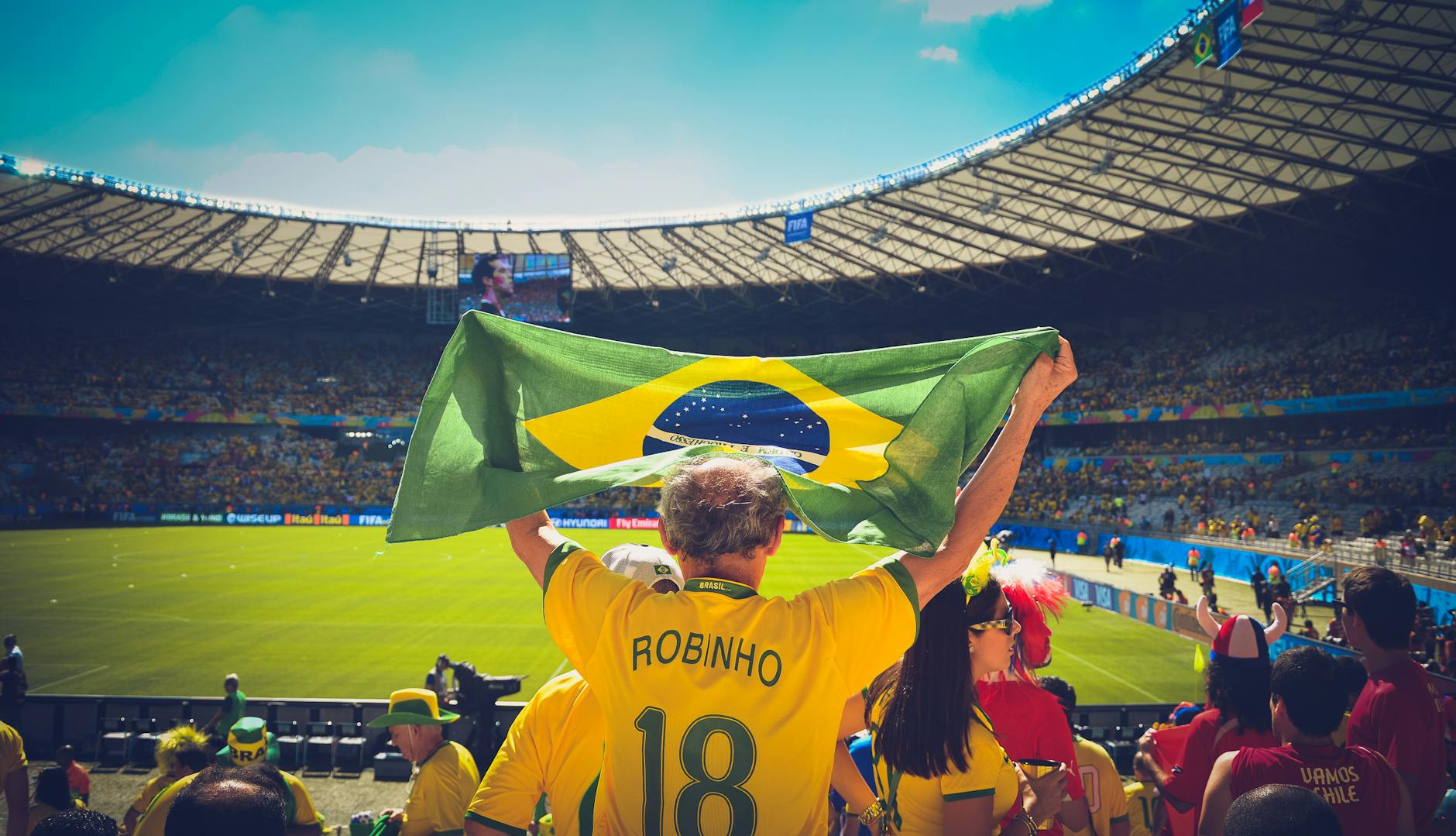
Why 48 Teams Reshape 2026 World Cup
FIFA World Cup 2026 is the first men’s tournament with 48 national teams, and Tactical Review tracks how that expansion changes match predictions, team tactics, player stats, and regulated betting coverage across the United States, Canada, and Mexico. FIFA confirmed the tournament will run from 11 June to 19 July 2026, with 104 matches instead of the 64 used from France 1998 through Qatar 2022. The event also introduces a 12-group format of four teams, followed by a 32-team knockout stage, making squad depth and recovery logistics more influential than in prior editions. For fans, analysts, and licensed betting audiences, the practical takeaway is clear: first study format effects, then compare tactical matchups, and finally assess team news before relying on any prediction.
Photo by Caio on Pexels
For readers who want daily tournament analysis in one place, Tactical Review provides a focused starting point.
The Bottom Line
The main story of the FIFA World Cup is no longer only who has the best starting eleven; in 2026, the better question is which national teams can manage seven or eight high-pressure matches across vast travel distances. According to FIFA, the 2026 edition will be hosted by 16 cities across three countries, creating a tournament geography unlike Brazil 2014, Russia 2018, or Qatar 2022. That matters because travel, climate, squad rotation, and venue familiarity can affect tactical choices in ways that are easy to overlook when reading only headline odds or historical rankings.
First, the expanded format increases variance because more teams enter the group stage and more third-place scenarios can influence knockout qualification. Then, the 32-team knockout phase creates an additional elimination round, meaning a finalist may need to survive eight matches rather than seven. Finally, the larger field gives analysts more data but also more noise: strong teams may rotate earlier, underdogs may prioritize goal difference, and coaches such as Didier Deschamps, Lionel Scaloni, or Gareth Southgate may approach group management differently depending on bracket incentives. For deeper tactical context, see our [Internal Link: 2026 World Cup tactical trends guide].
What Players Actually See?
Players actually see a tournament shaped by recovery cycles, opponent profiles, travel logistics, and tactical risk management rather than a simple month-long sequence of matches. In FIFA World Cup 2026, the expanded 104-match schedule means coaches must balance performance peaks, substitution timing, and accumulated fatigue more carefully than in 32-team editions.
For elite players such as Kylian Mbappé, Jude Bellingham, Vinícius Júnior, Christian Pulisic, and Alphonso Davies, the tournament experience will be partly defined by how national teams manage minutes between group games and knockout rounds. The United States, Canada, and Mexico offer different climate patterns, from humid summer evenings in Miami to altitude considerations in Mexico City, and those differences may shape pressing intensity, defensive line height, and substitution windows. A team that presses aggressively for 90 minutes in a cool European qualifier may not use the same rhythm in a hot North American venue.
From an analytics perspective, the practical sequence is first to identify the tactical base, then check rotation depth, and finally adjust expectations using venue and rest-day information. Tactical Review’s match prediction model places special emphasis on starting-lineup probability, recent xG trends, set-piece production, and defensive transition numbers. A less discussed edge case is travel clustering: teams assigned to geographically compact routes may preserve recovery quality better than teams moving repeatedly between time zones, even when both have equal rest days on paper. For readers comparing pre-match numbers, that detail can be as relevant as FIFA ranking position. See also [Internal Link: player stats and xG explainer].
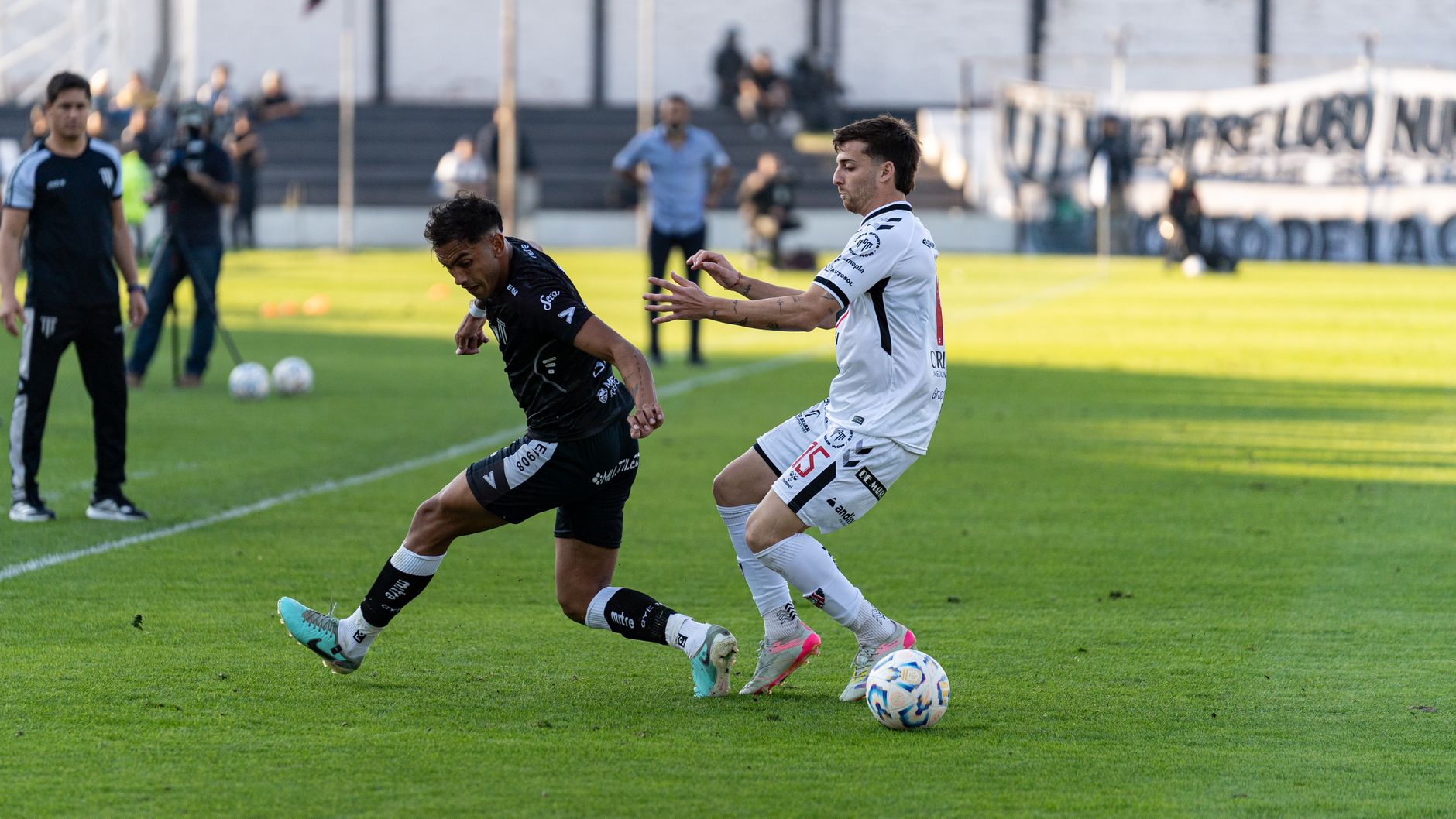
Photo by Franco Monsalvo on Pexels
To follow how these player-level details affect match previews, continue with Tactical Review’s World Cup coverage.
What Are The 3 Things That Matter Most?
The three most important factors are format, squad depth, and market timing. FIFA World Cup 2026 adds 48 teams and 104 matches, so analysts should first understand qualification incentives, then evaluate tactical depth, and finally compare betting or prediction prices only after confirmed team news.
Format pressure: The 12 groups of four create a more complex path to the knockout stage than the old 32-team model. Under the 2026 structure, first and second place teams advance, along with the best third-place teams, which can make the final group matches unusually sensitive to goal difference, disciplinary records, and concurrent scorelines. As Wikipedia’s FIFA World Cup overview records, the competition has evolved repeatedly since 1930, but the 2026 expansion is one of its largest structural changes.
Squad depth: A 26-player squad is not just insurance; it is a tactical resource. Teams with reliable second-choice full-backs, pressing forwards, and ball-progressing midfielders may survive the additional knockout round more effectively than teams built around 13 or 14 core players. A specific operational insight: when tournaments add one extra elimination match, the value of bench players who can protect leads rises because coaches face more late-game fatigue scenarios.
Market timing: In licensed betting markets, early prices often reflect reputation, while matchday prices respond to lineups, injuries, weather, and sharp money. The UK Gambling Commission describes licensing as covering operators that offer gambling services to consumers in Great Britain, and regulated markets typically require clear rules around settlement and customer funds. For World Cup bettors in legal jurisdictions, the analytical edge is usually not in predicting every result early, but in waiting until team sheets and tactical matchups are clearer.
Edge Cases & Gotchas
The less obvious risk in FIFA World Cup analysis is assuming that more matches automatically create more reliable predictions. In reality, the expanded 2026 format may increase uncertainty because third-place qualification, travel variation, and uneven group strength can distort team incentives before the knockout stage.
One edge case involves teams that have already qualified before their third group match. In a 48-team World Cup, a favorite may rotate five or more starters if its bracket position is secure, while an underdog may treat the same match as a final. That can make historical head-to-head data less useful than expected, especially when a national team’s tactical identity depends heavily on a single midfielder, goalkeeper, or center-back pairing. Another gotcha is set-piece volatility: in short tournaments, one corner routine or penalty decision can override 60 minutes of territorial control, so Tactical Review separates open-play xG from set-piece xG when evaluating match strength.
A second under-discussed issue is venue sequencing. A team moving from Vancouver to Guadalajara to Atlanta faces a different preparation burden than a team staying mostly within one region, even if official rest days appear equal. Analysts should first map the route, then check kick-off time and climate, and finally compare likely substitutions. The official FIFA World Cup 2026 host city information is therefore not background trivia; it is part of the match model. As FIFA states in its tournament materials, the 2026 event will be staged across “Canada, Mexico and the United States,” making cross-border logistics a core feature rather than a side note.

Photo by Keverne Denahan on Pexels
For a practical reading list before the tournament begins, start with our [Internal Link: World Cup betting market timing checklist].
What Should Fans Track Before Each Match?
Fans should track confirmed lineups, rest days, travel route, tactical matchup, and market movement before each FIFA World Cup match. In 2026, those five data points matter more because 48 teams, 16 host cities, and 104 fixtures create more scheduling variation than previous editions.
A useful pre-match process is first to verify the official starting eleven, then compare tactical shapes, and finally decide whether the available price or prediction still has value. For example, a 4-3-3 team facing a back five may dominate possession but produce fewer central chances if its wingers are forced wide. Similarly, a high defensive line may look efficient against weaker opposition but become vulnerable against runners such as Mbappé, Rafael Leão, or Darwin Núñez. Tactical Review evaluates these matchups using player availability, pressure resistance, transition defense, and set-piece design rather than relying only on FIFA rankings or recent scorelines.
There is also a difference between a good prediction and a good betting decision. A team can be more likely to win but still be overpriced if the market already reflects public enthusiasm. Conversely, an underdog may be tactically live if it has a compact block, strong dead-ball delivery, and a goalkeeper in form. The most disciplined approach is to write down the expected game state before kick-off: who scores first, who controls restarts, who benefits from extra time, and which substitutes change the match after 60 minutes. For more context, visit [Internal Link: match prediction methodology].

Photo by Darya Sannikova on Pexels
To compare tactical previews with current tournament narratives, review Tactical Review’s latest analysis hub.
Verdict
FIFA World Cup 2026 should be read as a format change first and a football festival second. The shift from 32 to 48 teams, the move to 104 matches, and the use of 16 host cities across the United States, Canada, and Mexico all affect how teams prepare, rotate, and manage risk. The strongest analysis will not simply ask whether Argentina, France, Brazil, England, Spain, Germany, or Portugal has the best squad; it will ask how each team handles travel, heat, depth, set pieces, substitutions, and bracket pressure.
For Tactical Review, the cleanest framework is sequential: first understand the structure, then evaluate team tactics, and finally compare player stats with live market conditions. That sequence reduces the chance of overrating reputation or underrating context. The trade-off is that more detailed analysis takes longer, but the benefit is a clearer view of why a match may deviate from headline expectations. As the 2026 World Cup approaches, fans who combine official FIFA data, tactical observation, and disciplined market timing will be better positioned to interpret the tournament as it unfolds.
For ongoing 2026 World Cup predictions, tactical notes, and player-stat updates, use Tactical Review as your daily reference point.
Frequently Asked Questions
Q: What is the FIFA World Cup?
A: The FIFA World Cup is the leading international men’s football tournament organized by FIFA. It began in 1930 and is usually held every four years, with national teams qualifying through regional competitions. The 2026 edition will be hosted by the United States, Canada, and Mexico and will feature 48 teams for the first time.
Q: How does the 2026 FIFA World Cup format work?
A: The 2026 FIFA World Cup uses 12 groups of four teams followed by a 32-team knockout stage. The top two teams from each group advance, along with the best third-place teams. This creates 104 total matches, compared with 64 matches in the 32-team format used from 1998 through 2022.
Q: What is the difference between World Cup predictions and betting odds?
A: World Cup predictions estimate likely match outcomes, while betting odds express market prices offered by licensed operators. A prediction may say a team has a 55 percent chance to win, but the odds determine whether that view has market value. Tactical Review separates tactical probability from market value to avoid treating every likely winner as a good bet.
Q: Why do World Cup predictions fail?
A: World Cup predictions often fail because short tournaments are highly sensitive to injuries, red cards, penalties, rotation, and set pieces. A team can control possession and still lose through one transition or dead-ball sequence. In 2026, travel distance and climate variation may add another layer of uncertainty for analysts.
Q: Is Tactical Review free to use?
A: Tactical Review provides FIFA World Cup content for fans following match predictions, tactics, player stats, and tournament coverage. Availability of specific features may vary by page or campaign. Readers should check the site directly for current access, updates, and coverage options before the 2026 World Cup begins.
Q: How should beginners analyze a World Cup match?
A: Beginners should start with lineups, formation matchups, recent form, injuries, and rest days. Then they should compare whether the expected game state matches the available odds or prediction. A simple checklist is more useful than reacting to reputation, especially when expanded formats create unusual incentives.
Q: Is the 48-team World Cup better than the 32-team version?
A: The 48-team World Cup offers broader global representation but also creates more competitive and logistical complexity. Supporters value the extra places for emerging football nations, while critics point to possible quality gaps in some group matches. From an analysis perspective, the bigger format increases both information volume and uncertainty.
Report complete.
Tactical Review · Analytical Archive